May is here and what does that mean? Summer time in Florida is upon us. But it is also the start of the full blown butterfly season. In Southwest Florida we have a year-round butterfly season, while numbers of butterflies like Monarchs and Yellow Sulfurs will migrate, many of the same and others stay in South Florida and prosper year round, much to the delight of all those crazed butterfly enthusiasts living here.
In spring, summer and fall the numbers of these little flying flowers rise dramatically because the temperatures are warm – just like they like it – and all their host plants (plants that female butterflies lay their eggs on) and nectar plants (plants they feed on sipping nectar) are in full bloom. They need at least Impact Sprinkler Head Not Rotating
sixty degrees to become active and fly. They are cold blooded insects that use the sun to warm their bodies which, in turn enables them to fly. When the weather is cool and cloudy I’ve seen butterflies remain motionless for days not moving a muscle, hiding on the underside of leaves going almost undetected. In my opinion, the numbers of butterflies are already quite numerous, maybe because this past winter was not as cold as it had been in the two previous winters making them more active – if you know what I mean!
Much of the butterfly’s natural habitat here in Southwest Florida has been destroyed by what some call progress. To me building more strip malls that just lay empty is (insert expletive here). We all need to help replace
what has been lost. Butterfly gardening is not only a great way to observe these beautiful creatures; it will also contribute to their conservation and increase their numbers.
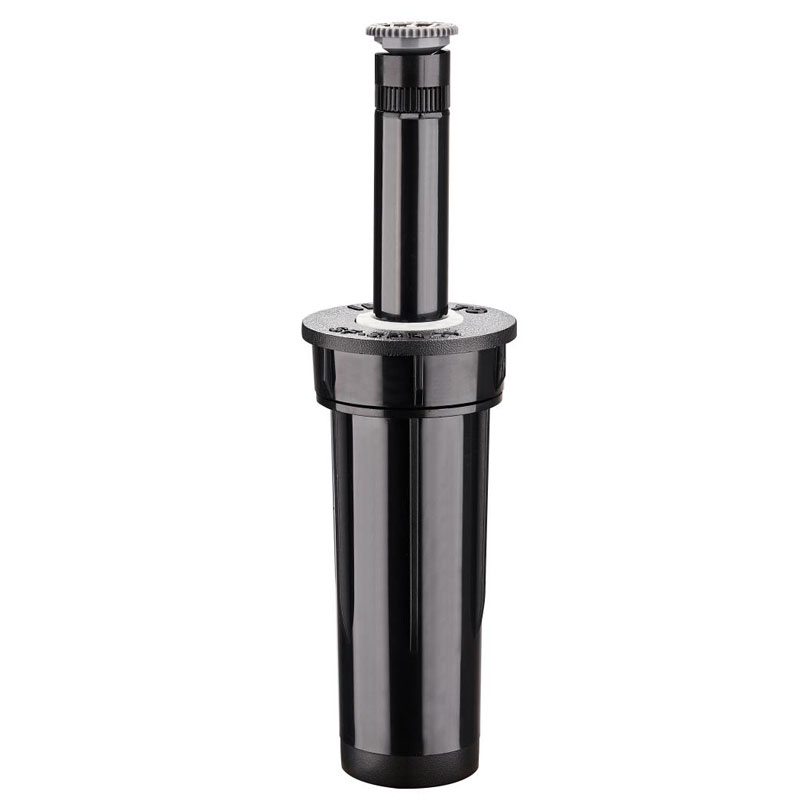
When finding a location for your garden, it should receive at least four hours of sunlight a day. It doesn’t necessarily have to be direct sun, but still a bright light. I think that can easily be found almost anywhere here in Southwest Florida. I have found full sun is almost too much for most plants especially in the summer. There are some butterflies that prefer shady areas, so providing varying light situations will attract a larger variety of winged flying flowers making ideal conditions for maximum numbers. A good irrigation system is important to any garden but particular in a butterfly garden. Pop-up
irrigation sprinkler heads used for watering lawns are too forceful, and can blow larvae off their host plants, possibly killing them, never mind shredding the plants and flowers. Drip irrigation systems, soaker and micro-irrigation are the best, putting water where it belongs, at the root systems of the plants. We don’t want to waste water particularly because of the cost, but also because it is one of Florida’s precious natural resources. All the systems mentioned above are low pressure with none or little waste through evaporation.
Remember to include a viewing area (a place with a bench where you can sit) in your garden to watch the butterflies unique and various unusual habits. For example, the Monarch butterfly is very territorial and will chase off any unwanted intruders, usually other males looking
for mates. I have actually seen a monarch chase birds out of “their” self-designated areas. Another example is the male and female sulfur butterflies will spiral skyward in their unusual mating ritual. These viewing areas are also a great place to relax and have your evening cocktails!!
A big bonus in butterflying gardening is attracting hummingbirds to your yard. Many of the plants adult butterflies use to nectar on are also some of hummingbird’s favorite plants. Two of the most popular with hummingbirds are Fire bush (Hamelia patens) and Fire spike (Odontonema strictum) this is the red one, it also comes in pink and purple. Red is the favorite color of both butterflies and hummingbirds.
To attract butterflies to your garden, first you need host plants. These are the plants female butterflies deposit
their eggs on and they also feed the new larvae (caterpillars). Some butterflies have one single host plant, while others have several plants they will use to rear their caterpillars.
Some of Southwest Florida’s most common and abundant butterflies and their host plants are:
Monarch: Milkweeds (many different varieties).
Orange barred Sulfur: Sennas (cassias
Black Swallowtail: Parsley, fennel and dill
Polydamas (Gold Rim): Dutchman’s pipe
Giant swallowtail: Any citrus or Wild Lime
The second group of plants you’ll need in your butterfly garden are nectar plants (Plants adult butterflies feed on).
Some of the best are:
Ruby Red Penta (Penta spp)
African Bush Daisy (Euryops spp.)
These are only a few of the many nectar plants and host plants that are out there.
Remember, butterfly gardening is guaranteed! Plant the right host plant for the right butterfly and they will come to your garden. Plant nectar plants and they will stay in your garden; you have everything they need why would they leave!! Always make sure you have enough host plants to sustain your caterpillars because most will not eat any other plant other than their specific host plant. One more thing that’s very important ……NO PESTICIDES!!!!!! Remember to follow our videos on YouTube under the South Florida Plant Pickers and on Facebook under Mike Malloy.
Your comment has been submitted.
There was a problem reporting this.
Started my first butterfly habitat. Have 4 pooping and devouring a milkweed. It's amazing
Keep it Clean. Please avoid obscene, vulgar, lewd, racist or sexually-oriented language. PLEASE TURN OFF YOUR CAPS LOCK. Don't Threaten. Threats of harming another person will not be tolerated. Be Truthful. Don't knowingly lie about anyone or anything. Be Nice. No racism, sexism or any sort of -ism that is degrading to another person. Be Proactive. Use the 'Report' link on each comment to let us know of abusive posts. Share with Us. We'd love to hear eyewitness accounts, the history behind an article.
metal impact sprinkler Your browser is out of date and potentially vulnerable to security risks. We recommend switching to one of the following browsers: